Learn how industrial 3D scanning improves manufacturing accuracy with precise measurement, faster inspection, and zero-defect quality control systems. Industrial 3D scanning is an advanced measurement technology used to capture the exact shape, size, and geometry of physical objects. Using high-precision laser or structured light systems, 3D scanning collects millions of data points from a component’s surface and converts them into a digital 3D model. This technology has become a vital part of modern manufacturing because it significantly improves manufacturing accuracy, quality control, and overall production efficiency.
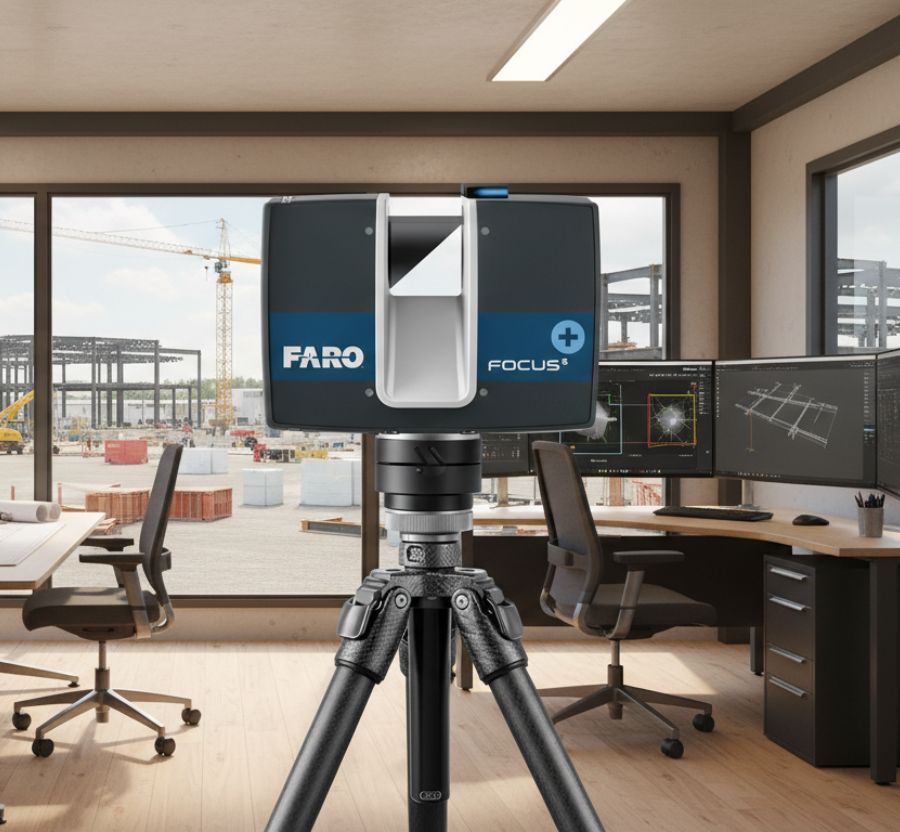
Unlike traditional manual measurement methods, industrial 3D scanning provides complete surface data in a matter of minutes. Conventional tools like calipers and gauges measure only selected points, but 3D scanning services analyze the entire component. This ensures accurate dimensional inspection, helping manufacturers detect even the smallest deviations from design specifications.
One of the biggest advantages of industrial metrology services is improved precision. By comparing scanned data with original CAD files through CAD to part inspection, manufacturers can identify tolerance variations instantly. This process strengthens precision measurement services and ensures that every part matches the intended design. The result is reduced rework, lower scrap rates, and consistent product quality.
Industrial 3D scanning also plays a key role in reverse engineering services. When original drawings are unavailable, scanning technology helps recreate accurate digital models. This is especially useful for legacy parts, discontinued components, and product redesign projects. Reverse engineering supports product design and development, enabling companies to innovate while maintaining dimensional accuracy.
Another important application is First Article Inspection (FAI). FAI verifies that the first produced part meets engineering standards before mass production begins. By integrating 3D scanning into FAI processes, manufacturers gain detailed inspection reports and precise validation data. This minimizes production risks and ensures compliance with industry regulations.
For complex assemblies and safety-critical components, industrial 3D scanning can be combined with industrial CT scanning services. While 3D scanning captures external geometry, CT scanning analyzes internal structures without damaging the part. Together, these technologies enhance manufacturing quality control and support zero-defect production strategies.
Speed is another major benefit. Industrial 3D scanning reduces inspection time compared to traditional coordinate measuring machines (CMM). Faster data collection means quicker decision-making and shorter production cycles. This improves operational efficiency and helps manufacturers meet tight deadlines.
Accuracy improvement directly impacts customer satisfaction. When products meet precise specifications, performance reliability increases. High accuracy reduces warranty claims, product failures, and costly recalls. In industries such as automotive, aerospace, and heavy engineering, precision is critical for safety and compliance.
Furthermore, digital scan data can be stored for future reference, allowing manufacturers to track production trends and maintain consistent quality standards. This digital workflow supports automation and smart manufacturing initiatives.
industrial 3D scanning is a powerful tool that enhances manufacturing accuracy through precise measurement, detailed inspection, and data-driven quality control. By adopting advanced 3D scanning services, companies can reduce errors, improve productivity, and achieve superior product quality. As industries continue to move toward digital transformation, industrial 3D scanning remains essential for maintaining competitiveness and delivering excellence in every component.